Tag: horoscope

  • Pisces: The Twin Fish of the Zodiac

    Pisces: The Twin Fish of the Zodiac

    Things you have never heard about pisces
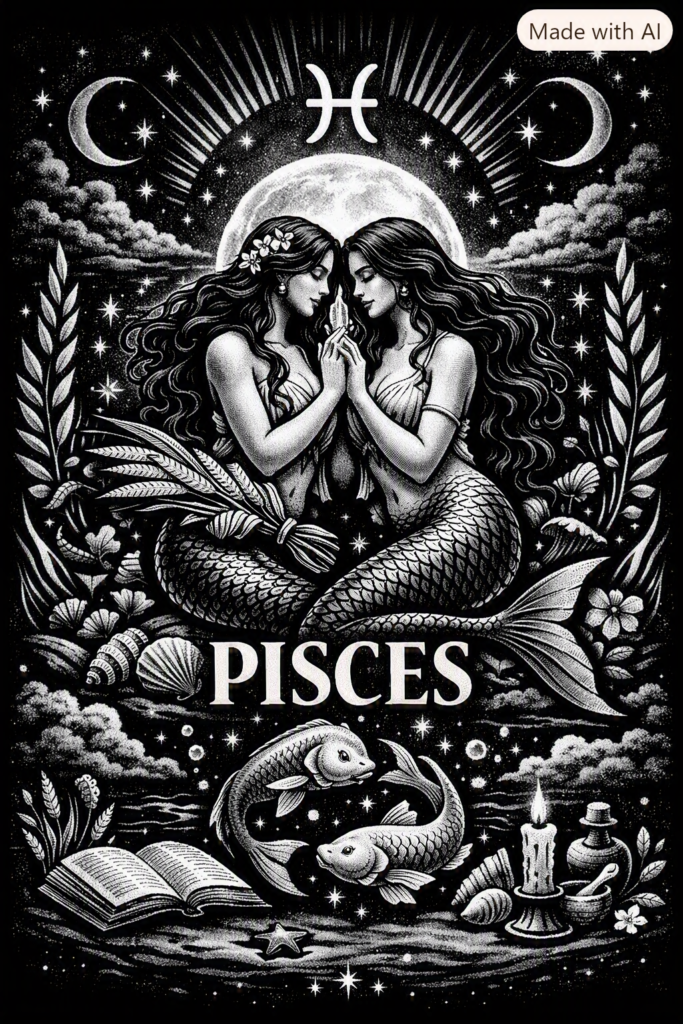
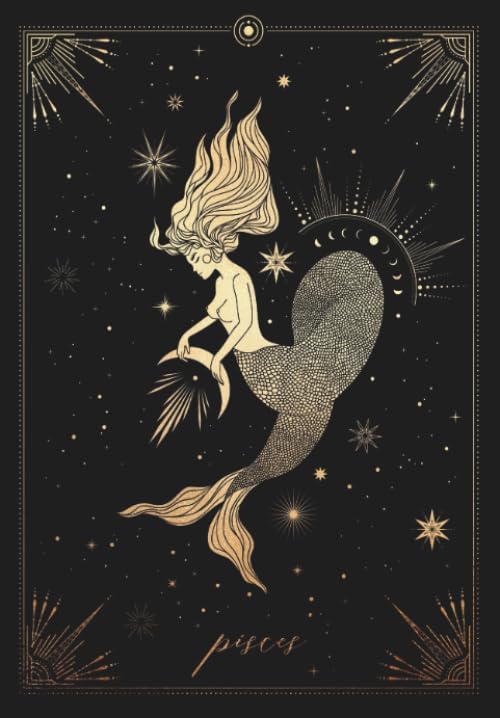
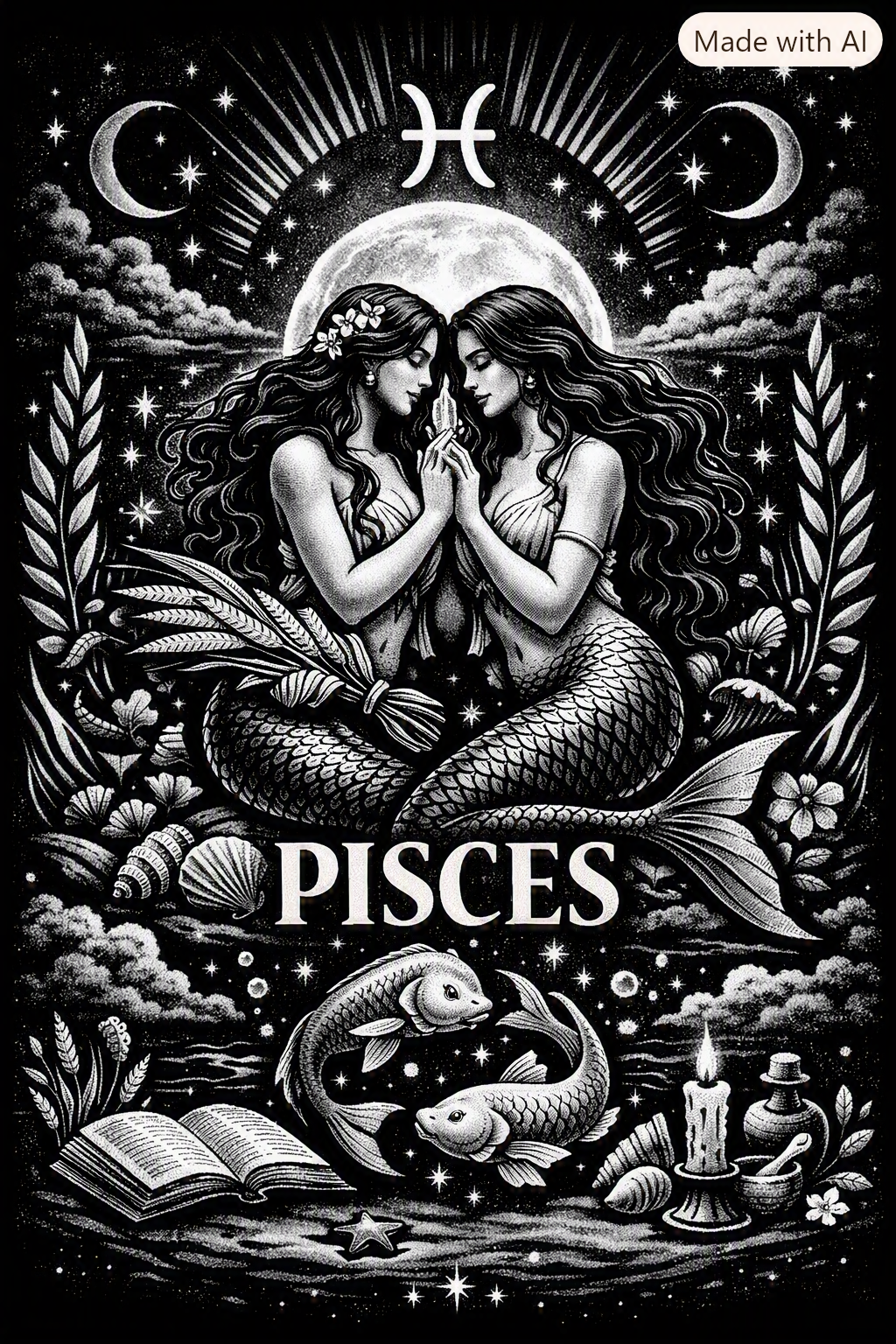
    Black and white Pisces zodiac illustration featuring two mermaid figures touching hands beneath a glowing full moon, surrounded by stars, crescent moons, waves, coral, seashells, and two fish swimming in a yin‑yang formation with “PISCES” written below.
    Pisces zodiac sign

    Dates and Basic Profile

    Pisces is the twelfth and final sign of the Western zodiac, covering people born between roughly February 19 and March 20, the stretch that carries the calendar year from late winter into the spring equinox (Farmers’ Almanac). It is a water sign, and its modality is mutable, meaning it closes out a season rather than opening or anchoring one, a trait that reflects its position as the last sign before the cycle begins again with Aries (Farmers’ Almanac; Bikerringshop). Pisces is associated with a yin, or receptive, energy, and traditionally rules the feet, eyes, and bladder in the body-part associations older astrology texts assign to each sign (Katie Ellen Hazeldine).

    Why Is It Called Pisces?

    Pisces is simply the Latin word for “fishes,” and the name comes directly from its symbol: two fish swimming in opposite directions, tied together at the tail by a single cord (Greeker than the Greeks; Bikerringshop). Interestingly, despite the plural symbol, the sign’s name in most languages historically referred to only a single fish, with Greek, along with several other European languages, being among the exceptions that kept the plural form (Symbology Wiki). The twin-fish image is also one of the oldest continuously used zodiac symbols on record, appearing on an Egyptian coffin lid dated to around 2300 BC, long before it was absorbed into Greek astrology (Symbology Wiki).

    The Myth Behind Pisces

    The best-known story behind Pisces comes from Greek mythology and centers on Aphrodite, the goddess of love, and her son Eros. According to the myth, the monster Typhon — a fire-breathing creature with a human head and serpent coils for legs — was sent by his mother, Gaia, to attack Mount Olympus and wage war on the gods (Greeker than the Greeks). As the other gods fled by transforming into various animals, Aphrodite and Eros found themselves cornered near the Euphrates River with no escape (Underlucky Stars). In one version of the story, two fish appeared at the last moment and carried the pair to safety on their backs; in another, Aphrodite and Eros themselves transformed into fish and tied themselves together with a cord so as not to lose each other in the current (Bikerringshop; Underlucky Stars). As a reward for the fish’s role in saving them, Aphrodite placed the pair among the stars, where they became the constellation Pisces (Greek Mythology; Symbology Wiki).

    This Greek myth is itself a retelling of an older Near Eastern story. In Syrian mythology, the fish were known as the Ichthyes and were said to have carried Atargatis — the Syrian goddess later identified with Aphrodite — safely down the Euphrates in much the same way (Underlucky Stars; Sophiequi). The Babylonians had their own version even earlier, calling the star pattern “the Tails” and connecting it to the same goddess figure roughly a thousand years before the Greek myth took shape (Bikerringshop).

    Ruling Planet: Neptune

    In modern astrology, Pisces is ruled by Neptune, though before the planet’s discovery in 1846 the sign’s traditional ruler was Jupiter, which many astrologers still recognize as a secondary influence (Bikerringshop; Wikipedia). Venus is considered “exalted” in Pisces, thought to operate especially favorably there, while Mercury is placed in both “detriment” and “fall,” its two weakest classical positions, in the sign (Wikipedia).

    What “Power” Pisces Gets From Neptune

    Because Neptune is associated with dreams, intuition, and the collective unconscious, popular astrology credits Pisces with a distinctive set of emotional and imaginative gifts. Traits commonly attributed to this influence include:

    • Deep creativity and imagination — Neptune’s rulership is said to give Pisces vivid inner worlds and the ability to generate unusual, artistic ideas and solutions (Greek Mythology).
    • Heightened intuition and empathy — Pisces is often described as having a strong sense of connection to others’ emotions and to the spiritual or unseen world, which fits Neptune’s association with empathy and evolution (Greek Mythology; Sophiequi).
    • Compassion and selflessness — the sign’s caretaking reputation is tied to a belief in universal connection, with Pisces often willing to put others’ needs and comfort ahead of their own (Greek Mythology).
    • A dual, shifting nature — the two fish swimming in opposite directions are read as a symbol of Pisces’s internal push and pull, often described as a tension between conscious ambition and unconscious withdrawal (Bikerringshop).
    • A sense of cycles and transformation — as the sign that closes out the zodiac year, Pisces is associated with endings and beginnings, representing the past and future meeting at the close of one cycle and the start of another (Sophiequi).

    As with any sun-sign description, these traits belong to a long folk and symbolic tradition rather than to any body of controlled scientific evidence.

    How Pisces Differs From Other Signs

    As the only sign ruled by Neptune, Pisces is often set apart from its fellow water signs, Cancer and Scorpio: where Cancer’s emotional world is typically framed around home and protection, and Scorpio’s around intensity and control, Pisces is described as more diffuse and boundaryless, dissolving the line between self and other rather than guarding it (Sophiequi). Compared with the zodiac’s other mutable signs — Gemini, Virgo, and Sagittarius — Pisces channels its adaptability inward, into feeling and imagination, rather than outward into Gemini’s curiosity, Virgo’s analysis, or Sagittarius’s search for adventure (Bikerringshop). Pisces is also frequently discussed alongside Aries, the sign that follows it: Aries begins the zodiac cycle with assertive, individual action, while Pisces closes it by surrendering the self into a larger, collective whole (Sophiequi). Finally, because Pisces’s myth traces back to Aphrodite herself rather than to a separate mythic figure, some ancient sources referred to the constellation by names such as “Venus Syria cum Cupidine,” directly naming Venus and Cupid rather than treating the fish as an independent legend — a distinction that sets Pisces apart from most other zodiac constellations, which usually carry their own separate mythic identity (Symbology Wiki).

    Works Cited

    “Myth and Meaning of Pisces.” Sophiequi, 9 Feb. 2026, sophiequi.com/blog/myth-and-meaning-of-pisces.

    “The Myth Behind the Zodiac Sign Pisces.” Underluckystars.com, 5 Mar. 2018, www.underluckystars.com/blog/the-myth-behind-pisces/.

    “Pisces.” Britannica, 26 July 2026, www.britannica.com/place/Pisces.

    “Pisces.” GreekMythology.com, 23 Feb. 2024, www.greekmythology.com/Myths/Zodiac/Pisces/pisces.html.

    “Pisces.” Symbology Wiki, 7 Apr. 2024, symbology.wiki/symbol/pisces/.

    “Pisces (astrology).” Wikipedia, Wikimedia Foundation, en.wikipedia.org/wiki/Pisces_(astrology).

    “Pisces – The Greek Myth Behind the Zodiac Sign.” Greeker than the Greeks, 29 Oct. 2025, greekerthanthegreeks.com/pisces-the-ancient-greek-myth-behind-the-zodiac-sign/.

    “Pisces Zodiac Sign: Dates, Symbol, Myth, and Traits.” Farmers’ Almanac, www.farmersalmanac.com/zodiac-zone-meet-pisces.

    “Pisces Zodiac Sign: Traits, Dates and Key Characteristics.” Bikerringshop, 30 June 2026, www.bikerringshop.com/blogs/articles/pisces-zodiac-sign-traits-dates-and-key-characteristics.

    “Enter the Season of Pisces the Heavenly Fishes.” Katie Ellen Hazeldine, katieellenhazeldine.substack.com/p/enter-the-season-of-pisces-the-heavenly.

    1. What element is Pisces?

    Pisces is a water sign, representing emotion, intuition, and spiritual depth.

    2. Is Pisces a fixed sign?

    No. Pisces is a mutable sign, meaning it adapts easily and flows with change.

    3. What is Pisces’s ruling planet?

    Pisces is ruled by Neptune, the planet of dreams, imagination, and mysticism.

    4. What dates are Pisces born?

    Pisces season runs from February 19 to March 20.

    5. What are the core traits of Pisces?

    Pisces is known for being empathetic, creative, intuitive, compassionate, and deeply emotional.

    6. Why is Pisces considered spiritual?

    Pisces connects naturally to the unseen world — intuition, dreams, and empathy — making them spiritually attuned and emotionally wise.
  • Virgo: The Maiden of the Zodiac

    Virgo: The Maiden of the Zodiac

    Things you need to know about virgo

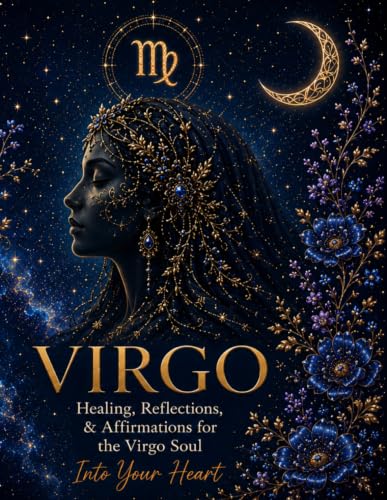
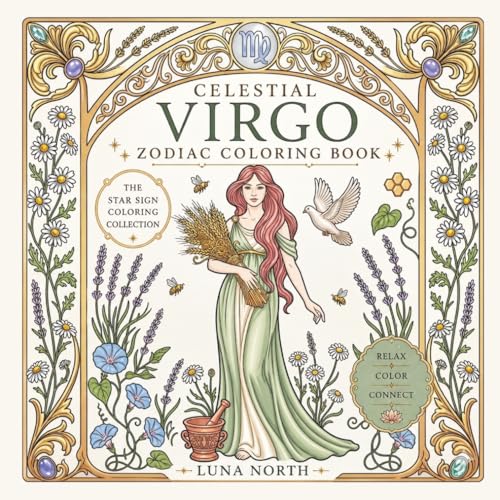
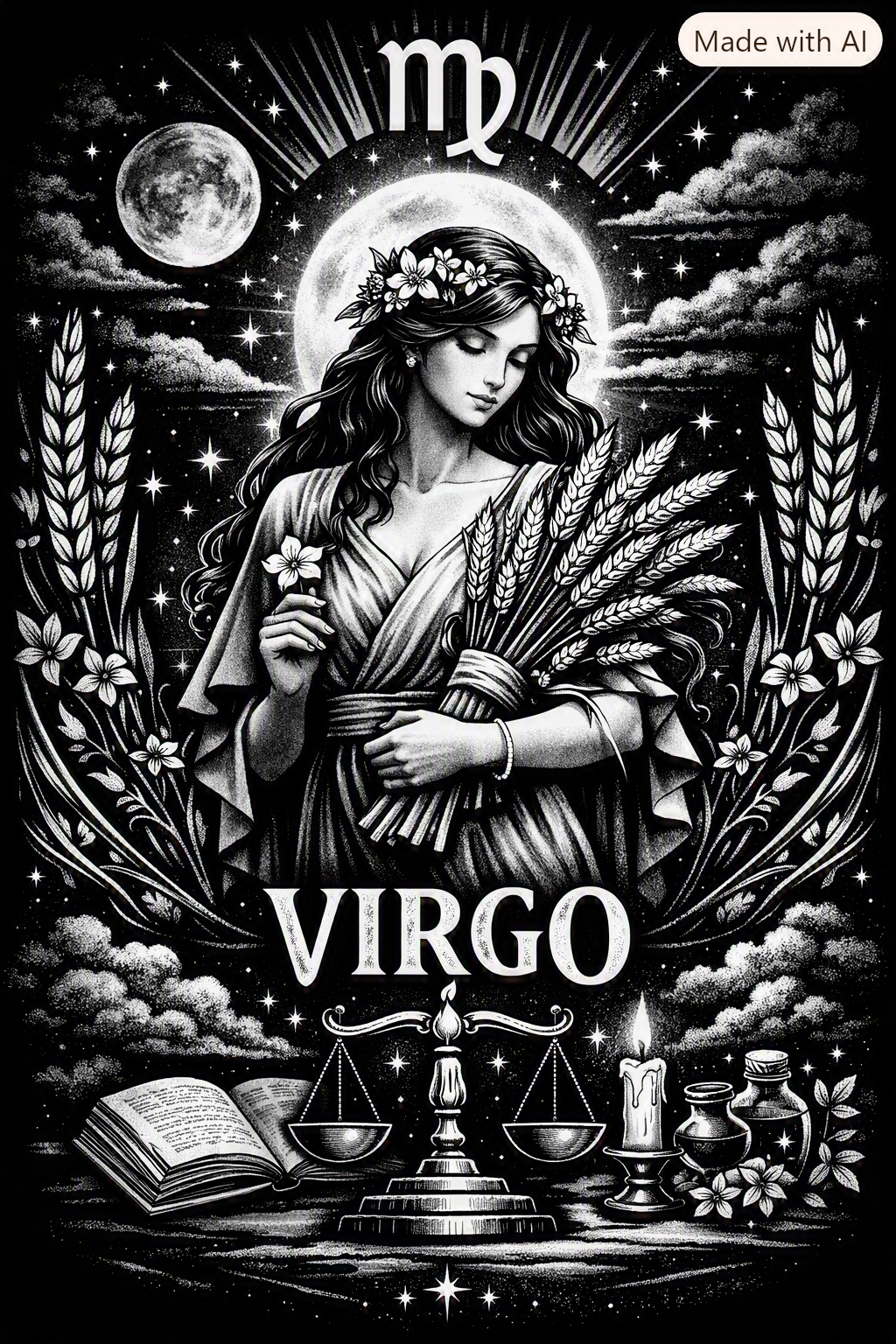
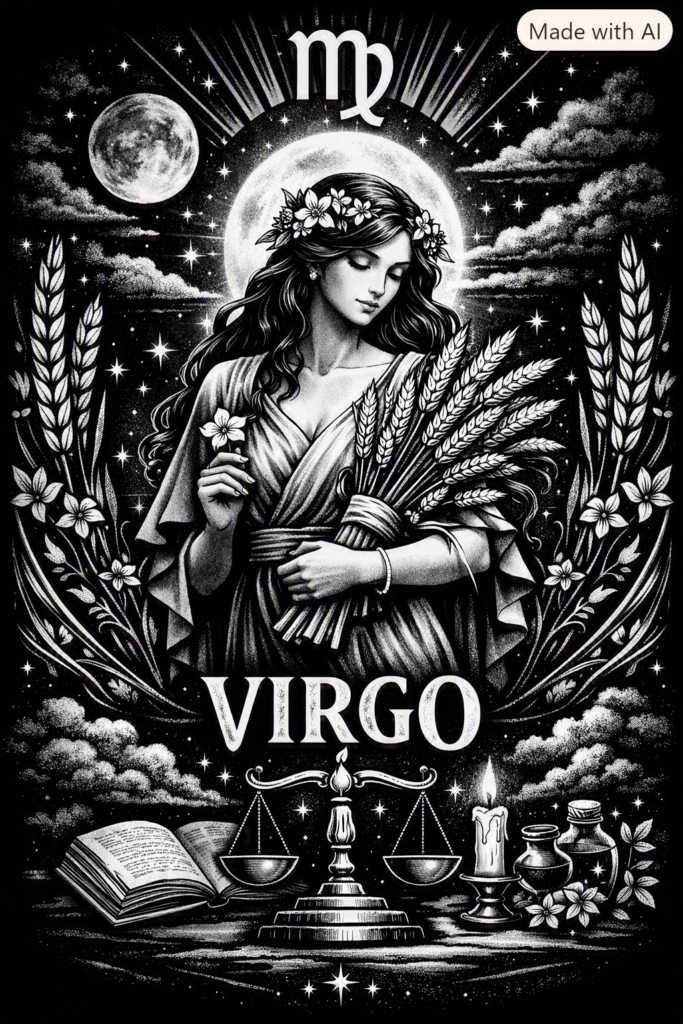
    Black and white illustration of the Virgo zodiac sign showing a serene maiden with long flowing hair, holding a sheaf of wheat and a flower under a glowing full moon. Surrounded by stars, clouds, and wheat stalks, with the Virgo glyph above and the word “VIRGO” below in ornate lettering.

    Dates and Basic Profile

    Virgo is the sixth sign of the Western zodiac, running from August 23 to September 22, a stretch that carries the calendar from the tail end of summer harvest into the first cool nights approaching fall (Farmers’ Almanac). It is an earth sign, sharing that element with Taurus and Capricorn, and its modality is mutable, a quality it holds along with Sagittarius and Pisces, which astrologers connect to adaptability and a willingness to adjust to circumstances (Katie Ellen Hazeldine). Virgo is considered a feminine, or “yin,” sign, and its constellation is the largest in the entire zodiac, second in size only to Hydra among all eighty-eight recognized constellations (Grokipedia; Greeker than the Greeks).

    Why Is It Called Virgo?

    Virgo is Latin for “virgin” or “maiden,” and the name reflects how the constellation has almost always been pictured: as a young woman, often shown holding a sheaf of wheat in one hand (Greek Mythology). Unlike many zodiac constellations that require imagination to see their namesake, Virgo is one of the few star patterns that genuinely resembles the figure it is named for (Greek Mythology). Its brightest star, Spica, means “ear of grain” in Latin, a name that ties directly to the sign’s long association with agriculture and the harvest season (History & Myth of Virgo). The constellation itself is very old, appearing in Babylonian astronomy as far back as roughly 1000 to 700 BC, where it was known as “The Furrow” and linked to Shala, a goddess associated with grain (History & Myth of Virgo).

    The Myth Behind Virgo

    Virgo does not have a single agreed-upon origin story; instead, several mythic women have been layered onto the same constellation over time. The most commonly cited figure is Astraea, whose name means “star maiden” and who was the daughter of the Titans Astraeus, god of dusk, and Eos, goddess of dawn (Jessica Davidson). According to the myth, Astraea was the goddess of innocence and justice and the very last immortal to leave the earth at the close of the Golden Age, driven away by growing human wickedness and corruption (Jessica Davidson; Thalira). Her ascent into the heavens became the constellation Virgo, and legend holds that she will return to earth only when the Golden Age comes again (Greek Mythology). Because Astraea is also linked to the neighboring constellation Libra, some versions of the myth describe her carrying the scales of justice alongside her sheaf of wheat, weighing the rights and wrongs of human disputes before she departed (Greeker than the Greeks).

    A second major thread ties Virgo to Demeter, the Greek goddess of the harvest, and her daughter Persephone, whose abduction into the underworld and eventual return is often read as a parallel to Virgo’s themes of careful cultivation, loss, and renewal (Greeker than the Greeks; Thalira). The Roman writer Manilius likewise connected the sign’s sheaf of wheat directly to Ceres, the Roman goddess of agriculture, reinforcing the same harvest symbolism from a Roman perspective (Katie Ellen Hazeldine).

    Ruling Planet: Mercury

    Virgo is ruled by Mercury, the same planet that governs Gemini, and Mercury is additionally considered to be “exalted” in Virgo, meaning it is thought to function especially well when placed there (Farmers’ Almanac; Jessica Davidson). Some modern astrologers have proposed alternative or co-ruling influences for Virgo, including the healer-planet Chiron or Ceres, the harvest goddess, though traditional astrology continues to treat Mercury as the sign’s primary ruler (Jessica Davidson; Grokipedia).

    What “Power” Virgo Gets From Mercury

    Because Mercury governs communication, analysis, and the intellect, popular astrology credits Virgo with a distinctive set of mental strengths. Traits commonly attributed to this influence include:

    • Sharp analytical thinking — Mercury’s rulership is said to give Virgo a quick, precise mind and a natural eye for detail that others tend to overlook (Farmers’ Almanac; Indie and Harper).
    • Practicality and love of order — combined with Virgo’s earth element, Mercury’s influence is described as producing a strong drive to organize, systematize, and bring structure to chaos (Farmers’ Almanac; Thalira).
    • Clear, effective communication — Mercury is traditionally tied to travel, trade, and all forms of communication, which astrologers link to Virgo’s reputation for expressing ideas clearly and efficiently (Katie Ellen Hazeldine).
    • A drive toward service and healing — Virgo’s harvest-goddess roots are said to translate into a modern focus on health, routine, and helping others, themes traditionally associated with the sign’s sixth house of health and daily habits (Katie Ellen Hazeldine).
    • Perfectionism and self-criticism — the same attention to detail that makes Virgo meticulous is also said to have a harder edge, showing up as overcritical tendencies toward both oneself and others (Grokipedia).

    As with any sun-sign description, these traits reflect a long-standing folk and symbolic tradition rather than a scientifically validated one; there is no controlled evidence that a birthday’s position in the zodiac shapes personality (Farmers’ Almanac).

    How Virgo Differs From Other Signs

    Because Virgo shares Mercury with Gemini, the two signs are frequently compared, but astrologers generally describe the difference as one of expression: Gemini channels Mercury outward into curiosity, variety, and rapid-fire conversation, while Virgo channels the same planet inward into refinement, precision, and the careful correction of detail (Thalira). Among the earth signs, Virgo is set apart from Taurus and Capricorn by its mutable modality, which is said to make Virgo more adaptable and process-oriented than the fixed determination of Taurus or the disciplined ambition of Capricorn (Katie Ellen Hazeldine). Virgo is also often paired with its opposite sign, Pisces, which is ruled by Jupiter and Neptune; where Virgo is grounded in analysis, order, and the physical world, Pisces is associated with imagination, intuition, and dissolving boundaries, making the two signs a study in contrasts (Jessica Davidson). Finally, Virgo’s Astraea myth is often set against the myth behind neighboring Libra: both figures are linked to justice, but Astraea is said to represent natural or divine law and the balance of the seasons, while Libra’s justice is framed in more human, social terms (Jessica Davidson; Greeker than the Greeks).


    Works Cited

    “The History & Myth of Virgo.” ZodiacSign.com, www.zodiacsign.com/history/virgo/.

    “Virgo.” GreekMythology.com, 23 Feb. 2024, www.greekmythology.com/Myths/Zodiac/Virgo/virgo.html.

    “Virgo (astrology).” Grokipedia, 17 Apr. 2026, grokipedia.com/page/Virgo_(astrology).

    “Virgo Constellation & Zodiac Traits: Jewellery Gift Guide.” Indie and Harper, 20 Aug. 2025, www.indieandharper.com/blogs/indie-and-harper-blog/zodiac-constellations-focus-on-virgo.

    “Virgo season 2024.” Katie Ellen Hazeldine, katieellenhazeldine.substack.com/p/virgo-season-2024.

    “Virgo – The Greek Myth Behind the Zodiac Sign.” Greeker than the Greeks, 29 Oct. 2025, greekerthanthegreeks.com/the-ancient-greek-myth-which-portrays-the-zodiac-sign-of-virgo/.

    “Virgo Zodiac Sign: Dates, Symbol, Constellation, and Myth.” Farmers’ Almanac, www.farmersalmanac.com/virgo-zodiac-sign.

    “Virgo Zodiac Sign: Traits, Symbol, Dates, and Meaning.” Thalira, 5 Apr. 2026, thalira.com/blogs/quantum-codex/virgo-zodiac-sign-guide.

    “Zodiac Myths: The Story Behind Virgo.” Jessica Davidson, 5 July 2025, jessicadavidson.co.uk/2018/08/20/the-mythology-of-the-zodiac-virgo-myths/.

  • Libra: The Scales of the Zodiac

    Libra: The Scales of the Zodiac

    Things you need to know about Libra

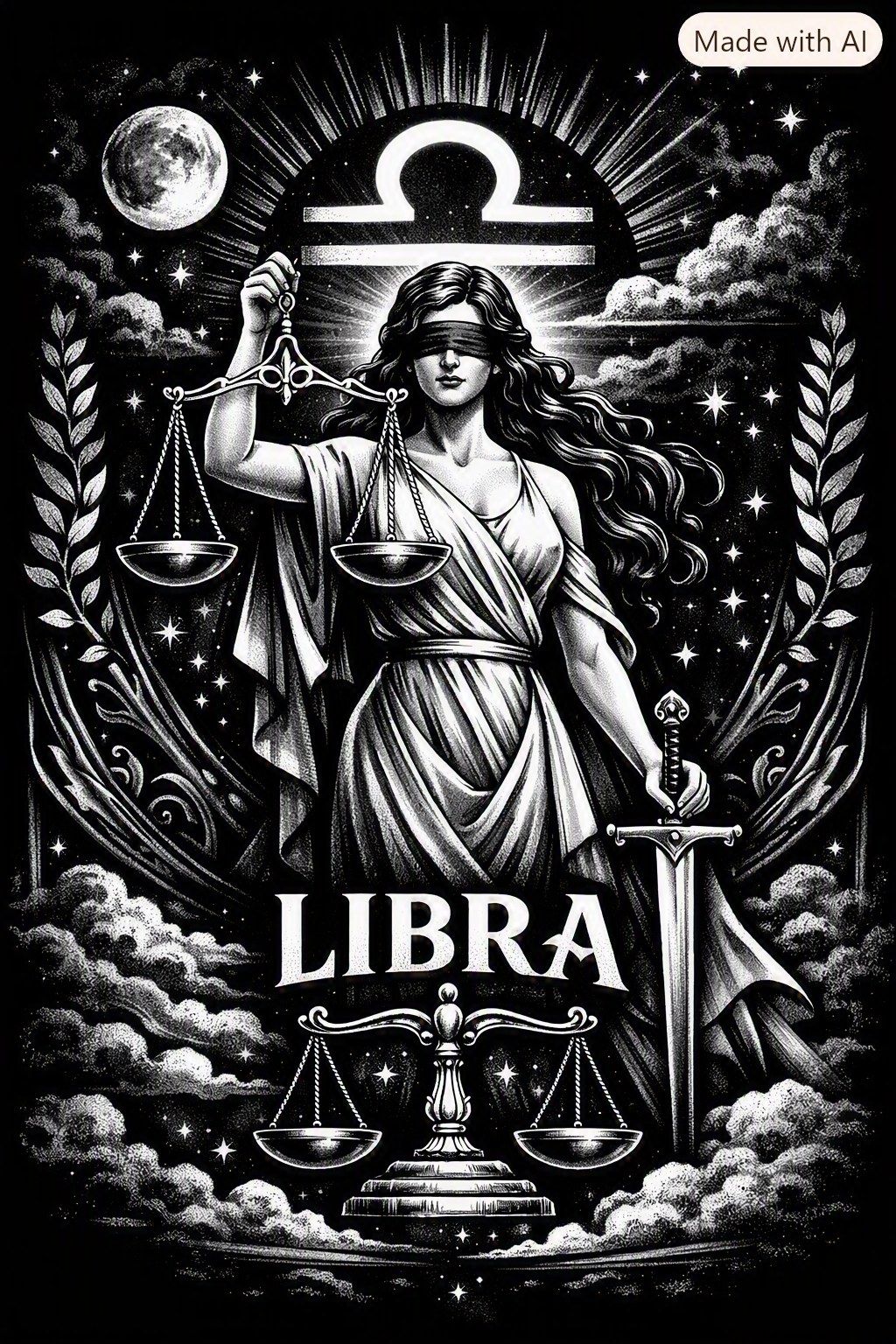
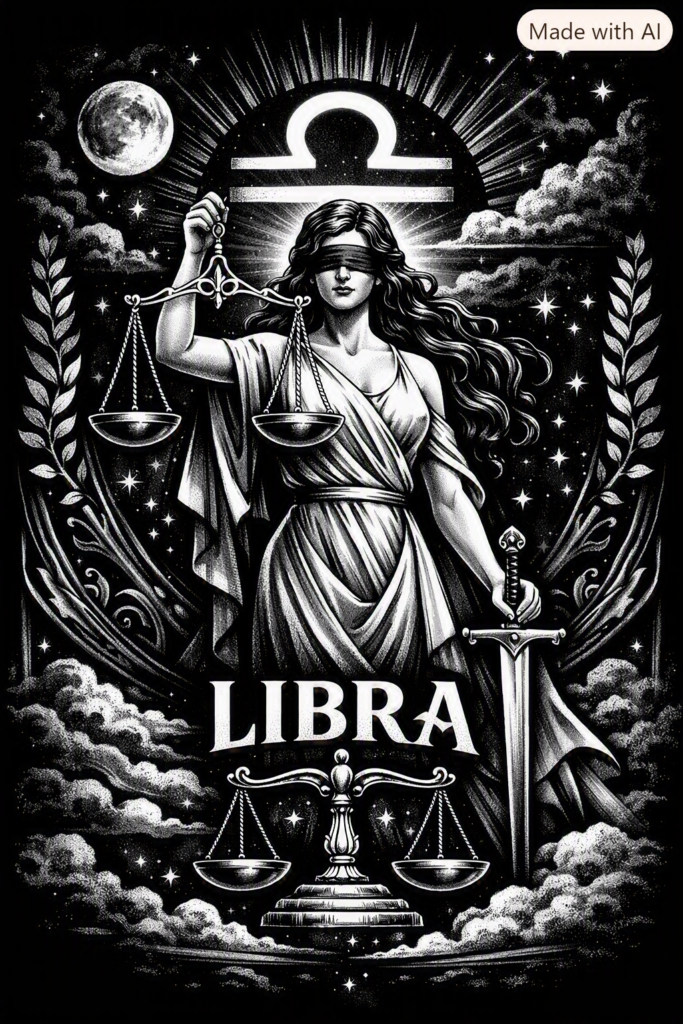
    image generated by Microsoft Copilot

    Dates and Basic Profile

    Libra is the seventh sign of the Western zodiac, covering people born between September 23 and October 22, a window that opens around the fall equinox and closes as autumn days grow noticeably shorter (Farmers’ Almanac). It is classified as an air sign, a group it shares with Gemini and Aquarius, and its modality is cardinal, meaning it sits at the very start of a season rather than in the middle or at the end (Occult Encyclopedia). Libra is also notable for being the only sign in the zodiac represented by an object rather than a person or an animal (Occult Encyclopedia).

    Why Is It Called Libra?

    Libra is Latin for “scales” or “balance,” but the constellation was not always seen this way. To the ancient Greeks, this stretch of sky was not its own figure at all; it was read as the claws of the neighboring scorpion, Scorpius, and early astronomical writers such as Aratus described it only as faint, dim claws with little brightness of their own (Bonnie Sorsby). The Roman writer Hyginus documented the shift as it happened, noting that the constellation was being split in two because of how far its claws spread, with one half increasingly called “the Balance” by his contemporaries (Bonnie Sorsby). The name Libra came into general use by the first century BC, although the astronomer Ptolemy was still using the older Claws name in his work around AD 150 (Bonnie Sorsby). Even earlier, the Babylonians had already been treating this part of the sky as a set of scales, referring to it in their star catalogues as the “balance,” a concept some scholars trace back to the region’s ancient practice of weighing goods and grain (Bonnie Sorsby; Baiduwiki).

    The Myth Behind Libra

    Because Libra is a later addition to the zodiac’s cast of characters, it does not have one single, fixed myth the way most other signs do. The most common Greek and Roman explanation ties the scales to Themis, the goddess of divine law, justice, and custom, who is usually pictured blindfolded and holding a balance in her hands (Greek Mythology; Occult Encyclopedia). In some retellings, Themis is said to be the daughter of Uranus and Gaia, and to be connected by lineage to Venus and Aphrodite (Astrosage). Themis is also linked to Astraea, her daughter and the goddess of justice, who was said to use the scales to weigh the deeds of mortals during a mythic golden age before eventually leaving the earth; because Astraea’s story is tied to the neighboring constellation Virgo, the two signs are frequently discussed together (Farmers’ Almanac).

    A separate and much older root for the sign’s symbolism comes from Egypt, in the funerary ritual known as the Weighing of the Heart. In this ceremony, illustrated throughout the Egyptian Book of the Dead, a person’s heart was placed on one side of a scale and weighed against the feather of Ma’at, the goddess representing truth and cosmic order, to judge whether that person’s life had been lived rightly (Thalira). Some modern astrologers treat this Egyptian ritual as the deepest symbolic root of Libra’s association with fairness, since it frames the sign’s pursuit of balance not as mere good taste but as something closer to a moral and cosmic function (Thalira).

    Ruling Planet: Venus

    Libra shares its ruling planet, Venus, with Taurus, and both signs draw their core meaning from that connection to love, beauty, and pleasure (Astrology.com; Thalira). Traditional astrology also assigns Saturn as “exalted” in Libra, meaning Saturn is thought to operate especially well when placed here, while Mars is considered to be in its weakest position, or “detriment,” in the sign, since Libra sits directly opposite Aries, the sign Mars rules (Bonnie Sorsby).

    What “Power” Venus Is Said to Give Libra

    Because Venus governs love, beauty, and harmony, popular astrology credits Libra with a particular gift for relationships and aesthetics. Traits commonly attributed to this influence include:

    • A drive toward balance and fairness — Libra is often described as the sign most concerned with justice, weighing situations carefully before acting, an image reinforced by both the Themis myth and the Egyptian Weighing of the Heart (Greek Mythology; Thalira).
    • A focus on relationships — Libra marks the point in the zodiac where attention is said to shift from the self toward one’s connection with other people, making partnership, diplomacy, and cooperation central themes (Astrology.com).
    • An appreciation for beauty and art — Venus’s influence is tied to a love of music, art, and elegant surroundings, along with a reputation for grace and sociability (Astrosage).
    • Charm and conversational skill — Libra is often described as needing intelligent, engaging company, and as being naturally good at conversation and gentle persuasion (Zodiacsign.com; Astrosage).
    • Indecision and conflict-avoidance — the same instinct to weigh every side is said to have a downside, showing up as difficulty committing to a choice and a tendency to sidestep confrontation in favor of the path of least resistance (Farmers’ Almanac).

    As with any sun-sign description, these are part of a long folk and symbolic tradition rather than claims backed by scientific evidence.

    How Libra Differs From Other Signs

    Because Libra shares its ruler with Taurus, the two signs are often compared directly, and astrologers typically describe the difference as one of expression rather than substance: Taurus experiences Venus through the body, in physical comfort and sensory pleasure, while Libra experiences the same planet through the mind, in the beauty of ideas, conversation, and well-balanced relationships (Thalira). Among the three air signs, Libra is distinguished by being cardinal rather than mutable, unlike Gemini, which places it at the initiating edge of a season rather than in a more adaptable, in-between phase (Occult Encyclopedia). Compared with the zodiac’s other cardinal signs — Aries, Cancer, and Capricorn — Libra is said to initiate change through diplomacy and partnership rather than through the assertiveness of Aries, the emotional protectiveness of Cancer, or the ambition of Capricorn (Astrology.com). And unlike most other zodiac signs, which are pictured as a person, animal, or hybrid creature, Libra alone is symbolized by an inanimate object, the scales, a detail astrologers connect to its identity as a sign concerned with weighing, measuring, and balancing rather than acting on instinct (Occult Encyclopedia).


    Works Cited

    “Libra.” GreekMythology.com, The Editors of Website, 20 Apr. 2023, www.greekmythology.com/Myths/Zodiac/Libra/libra.html.

    “Libra.” Occult Encyclopedia, 15 Oct. 2024, occult.live/index.php?mobileaction=toggle_view_desktop&title=Libra.

    “Libra (astrology).” Wikipedia, Wikimedia Foundation, en.wikipedia.org/wiki/Libra_(astrology).

    “Libra Dates, Element and Symbol Myth.” AstroSage, www.astrosage.com/horoscope/libra-dates.asp.

    “Libra in Astrology: Ruler, House, Origins.” Bonnie Sorsby, bonniesorsby.com/libra-zodiac-sign/.

    “Libra(the Seventh House of the Zodiac).” Baiduwiki, baike.baidu.com/en/item/Libra/1495134.

    “Libra Zodiac Sign: Characteristics, Dates, & More.” Astrology.com, www.astrology.com/zodiac-signs/libra.

    “Libra Zodiac Sign: Dates, Symbol, Myth, and Traits.” Farmers’ Almanac, www.farmersalmanac.com/libra-zodiac-sign.

    “Libra Zodiac Sign: Horoscope, Dates & Personality Traits.” Zodiacsign.com, www.zodiacsign.com/zodiac-signs/libra/.

    “Libra Zodiac Sign: Traits, Symbol, Dates, and Meaning.” Thalira, 15 June 2026, thalira.com/blogs/quantum-codex/libra-zodiac-sign-guide.

  • Taurus Zodiac: Myths, Ruling Planet, and Characteristics

    Taurus Zodiac: Myths, Ruling Planet, and Characteristics

    Things you should know about Taurus

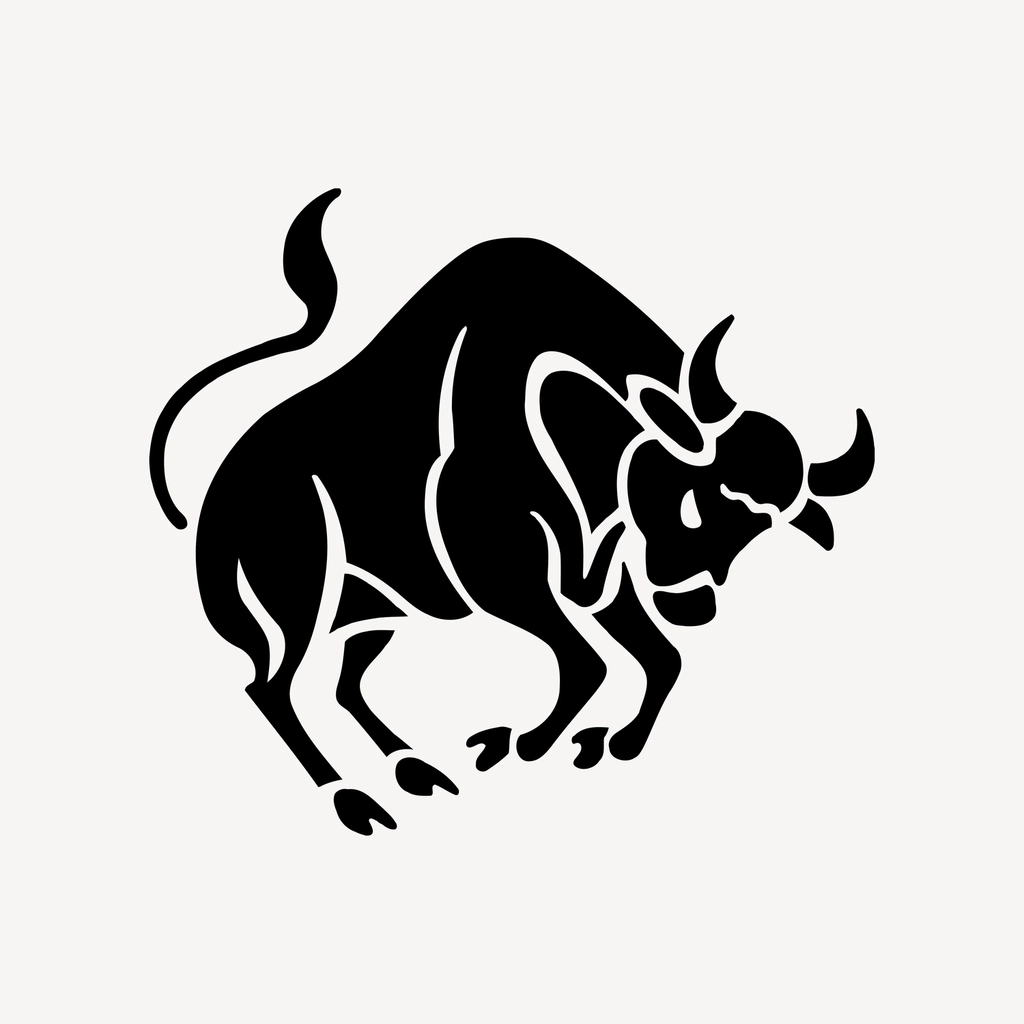
    Taurus bull zodiac sign clip

    1. Date Range of Taurus (Western Zodiac)

    Taurus is the second sign of the Western zodiac, covering April 20 to May 20 in the tropical system. This range may shift by a day depending on the Sun’s exact ingress each year (Farmers’ Almanac; HowStuffWorks). [^1][^2]


    2. Why the Name “Taurus”?

    The name Taurus comes from the Latin word for “bull”, and the sign’s glyph (a circle with horns) visually represents a bull’s head. Bulls were sacred symbols of strength, fertility, and endurance in ancient cultures, which shaped the sign’s identity (Farmers’ Almanac). [^1]


    3. Mythological Origins of Taurus

    Taurus has one of the richest mythic lineages in the zodiac.

    3.1 Greek Myth: Zeus and Europa

    In Greek mythology, Taurus represents Zeus transformed into a magnificent white bull to gently approach and abduct Europa. This story highlights themes of beauty, sensuality, and protective strength, all central to Taurus’s archetype (HowStuffWorks). [^2]

    3.2 Mesopotamian Myth: The Great Bull of Heaven

    In Mesopotamia, Taurus was known as “The Great Bull of Heaven”, marking the constellation through which the Sun rose during the vernal equinox in the Early Bronze Age. This made Taurus a symbol of renewal, cosmic order, and agricultural fertility (Wikipedia). [^3]

    3.3 Cross‑Cultural Bull Worship

    Ancient cultures—from Sumer to Egypt—venerated bulls as embodiments of life force, abundance, and divine presence, reinforcing Taurus’s association with earthly power and stability (StellaType). [^4]


    4. Ruling Planet of Taurus: Venus

    Taurus is traditionally ruled by Venus, the planet associated with love, beauty, harmony, pleasure, and material comfort (HowStuffWorks; Grokipedia). [^2][^5]


    5. What Power Does Taurus Gain from Venus?

    Venus grants Taurus several defining strengths:

    • Sensuality & Appreciation of Beauty — Taureans are drawn to art, nature, and physical comfort.
    • Emotional Stability — Venus softens Taurus’s fixed earth nature, creating calm, loyal personalities.
    • Material Abundance — Venus’s influence encourages a desire for security, financial stability, and well‑crafted objects.
    • Harmony & Peace‑Seeking — Taurus often avoids conflict and prefers environments of calm and pleasure.

    These traits reflect Venus’s symbolic domain over aesthetics, affection, and earthly delights (Grokipedia). [^5]


    6. How Taurus Differs from Other Signs

    Taurus stands apart in several ways:

    6.1 Fixed Earth Stability

    Unlike fire or air signs, Taurus is grounded, patient, and slow to change. This fixed earth modality gives them perseverance, reliability, and strong follow‑through (Wikipedia; Grokipedia). [^3][^5]

    6.2 Sensory Orientation

    Taurus is uniquely sensual, valuing physical experiences—food, touch, nature—more than most signs (HowStuffWorks). [^2]

    6.3 Stubborn Endurance

    Their determination is unmatched: once Taurus commits, they endure. This can be a strength or a challenge, making them loyal but resistant to change (Grokipedia). [^5]

    6.4 Mythic Depth

    Few signs have such a cross‑cultural mythological foundation, giving Taurus a symbolic richness tied to fertility, sovereignty, and cosmic order (StellaType). [^4]


    7. Summary

    Taurus (April 20–May 20) is an earth sign named after the bull, symbolizing strength, fertility, and stability. Its mythology spans Greek, Mesopotamian, and ancient agrarian cultures. Ruled by Venus, Taurus gains powers of sensuality, harmony, loyalty, and material abundance. Their fixed earth nature makes them steady, patient, and enduring, setting them apart from other zodiac signs.


    References (MLA 9 Style)

    Farmers’ Almanac. “Taurus Dates: April 20–May 20 | Zodiac Sign & Traits.” Farmers’ Almanac, 19 Aug. 2026. [^1]

    Wikipedia. “Taurus (Astrology).” Wikipedia, Wikimedia Foundation. [^3]

    StellaType. “Taurus Mythology & Origin Story: From Zeus’s Bull to the Cosmic Bull.” StellaType, 16 June 2026. [^4]

    HowStuffWorks. Brevant, Isla. “Taurus Zodiac Sign: Dates, Personality Traits and Compatibility.” HowStuffWorks, 4 Sept. 2026. [^2]

    Grokipedia. “Taurus (Astrology).” Grokipedia, fact‑checked 6 days ago. [^5]