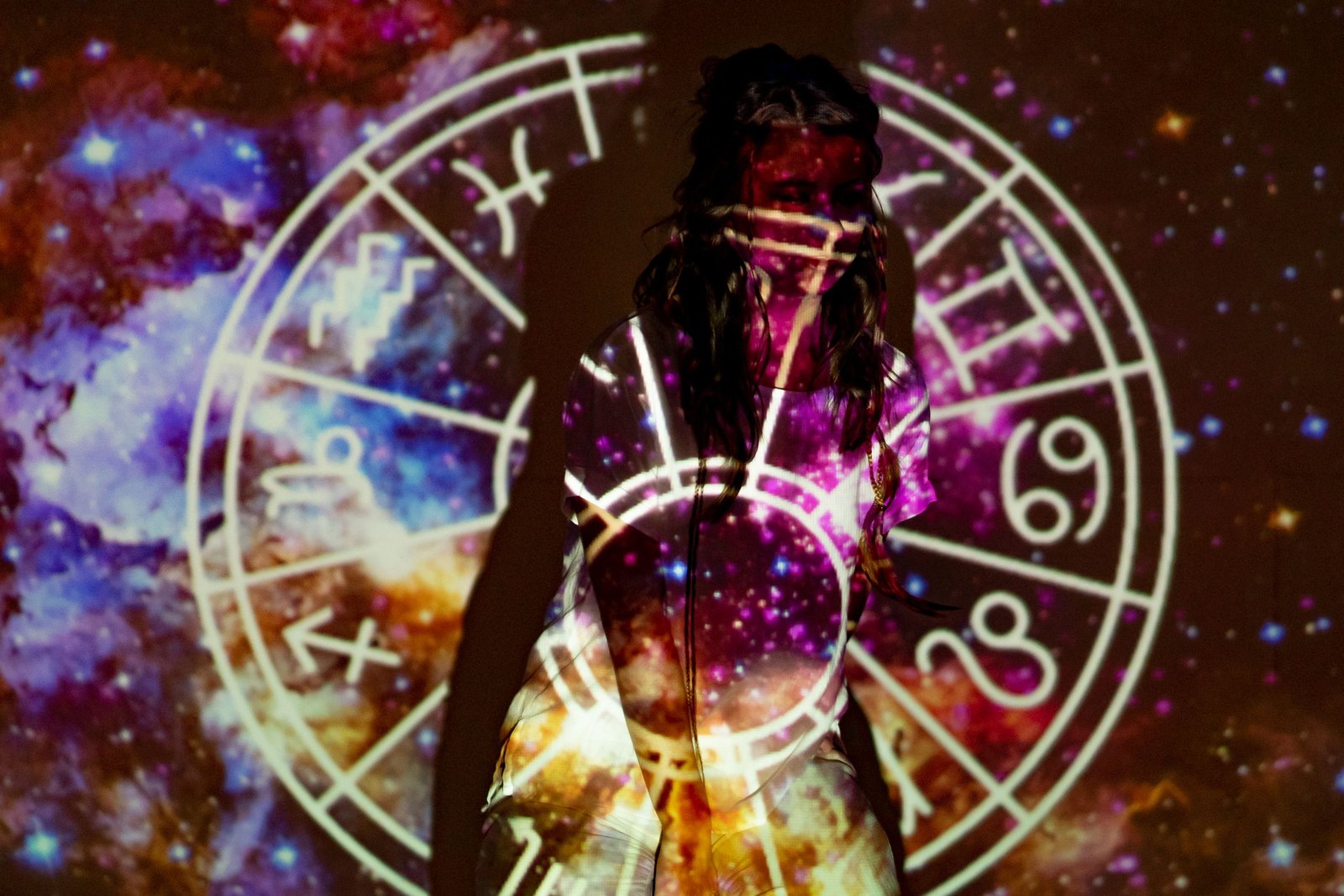
1.1 What is Astrology?
Astrology is one of the oldest means of understanding how a person is characterized based on the position of the Sun, Moon, and planets. It describes how the positions of the stars, and planets affects to shape one’s personality traits since his/her birthtime and later affects the transformation and becoming of a person. It does not necessarily claims to control someone’s life rather works as a language of meaning, an understanding the events of his/ her life.
1.2 Where does Astrology come from?
Astrology began thousands of years ago when ancient cultures noticed that:
- Seasons change with the Sun
- Planetary cycles repeat
- The Moon affects tides and human behavior
- People born at similar time share similar traits.
From these observations, different systems evolved. Different cultures adopted astrology by different means, and cultural resources and created their own system of understanding human behaviour.
1.3 Different cultural Astrology
1.3.1 Western Astrology:
Western astrology is a horoscopic system: it builds a birth chart for the exact time and place of birth, mapping the Sun, Moon, and planets across twelve zodiac signs, twelve houses, and planetary aspects.
It uses the tropical zodiac, which divides the sky into twelve 30‑degree signs aligned with Earth’s seasons — not the fixed stars. This is why Western and Vedic astrology often give different signs.
1.3.1.1 Core components of the Western Astrology:
Core components of the western astrology are Tropic Zodiac, Twelves Zodiac Signs, Planets as Psychological Functions, Houses ,Aspects, ‘As above, so below’ Principle, Psychological Orientation and Elements.
1.3.2 Vedic Astrology:
Vedic astrology is a Hindu astrological science that interprets how karma unfolds through planetary positions at birth. It is built on three pillars:
- Astronomy (precise planetary positions)
- Karma theory (past actions shaping present life)
- Timing systems (Dashas, transits)
1.3.2.1 Core Components of Vedic Astrology
The core components of Vedic Astrology are Sidereal Zodiac, Grahas (Planets), Rashis (12 Zodiac Signs), Bhavas (12 Houses), Nakshatras (27 Lunar Mansions), Vimshottari Dasha System, Yogas, Gocharas (Transits), & Remedies.
1.3.3 Chinese Astrology:
Chinese astrology is one of the world’s oldest astrological systems, rooted in Taoism, the lunar calendar, and ancient Chinese cosmology. It focuses on cycles, harmony, fate, personality, and destiny, using animals, elements, and time pillars to describe how energy flows through a person’s life.
1.3.3.1 Core Components of Chinese Astrology:
Chinese astrology is a lunar‑based, cyclical system that interprets personality and destiny through:
- The 12 zodiac animals
- The Five Elements
- The Yin–Yang polarity
- The Four Pillars of Destiny (BaZi)
- The Chinese lunar calendar
AI (2) Allgemein (4) apps (1) art (2) Artificial Intelligence (3) autobiography (4) Bangladesh (2) believe (1) books (3) cultural studies (2) culture (3) dailyprompt (55) dailyprompt-2803 (2) dailyprompt-2872 (1) dreams (1) english (24) english literature (21) favorite apps (1) Hindu (1) hindu culture (1) Hinduism (1) history (2) hobby (1) horoscope (4) how to (1) important apps (1) Japanese Literature (11) literature (21) Lord Shani (1) mypoetry (5) plantation (3) planting experiment101l (2) politics (2) review (4) Saturn (1) self care (3) self improvement (5) self reflection (1) Shakespearean sonnet (3) smartphone apps (1) srabonsmigratorydays (3) story telling (2) travel (3) venus ruled sign (2) western astrology (5)