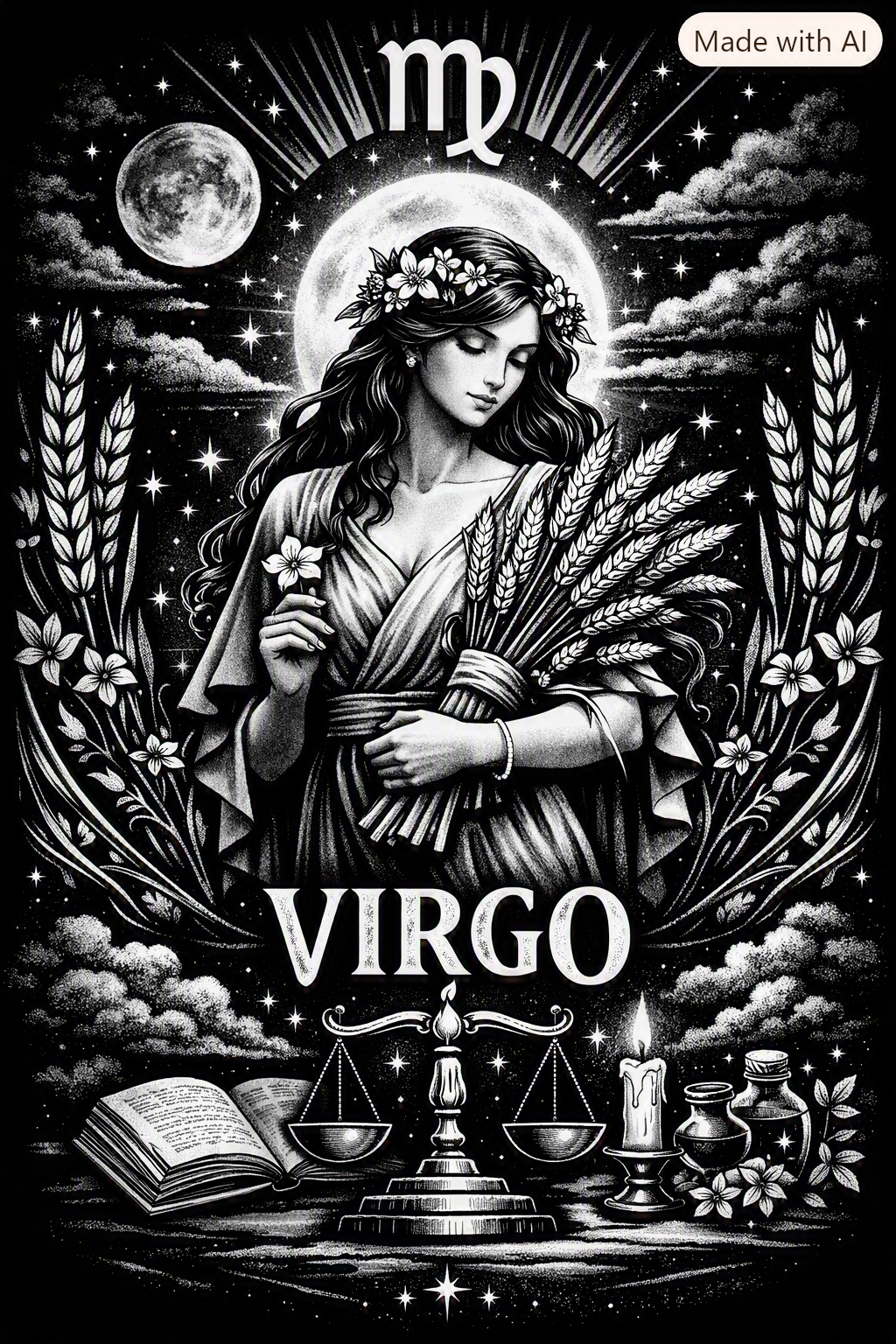
Things you need to know about virgo
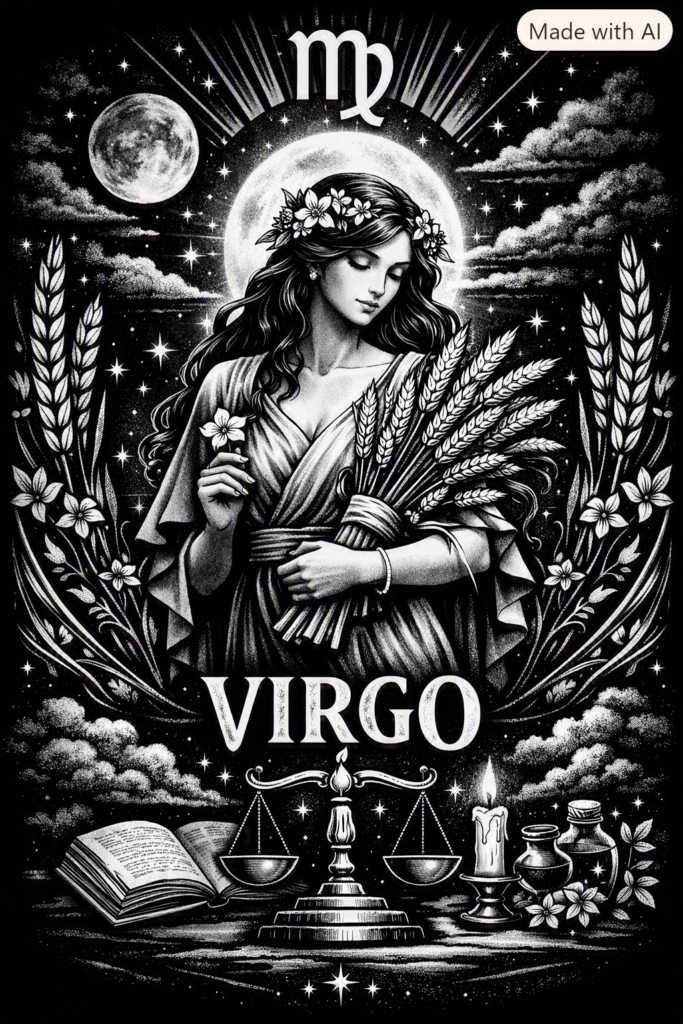
Dates and Basic Profile
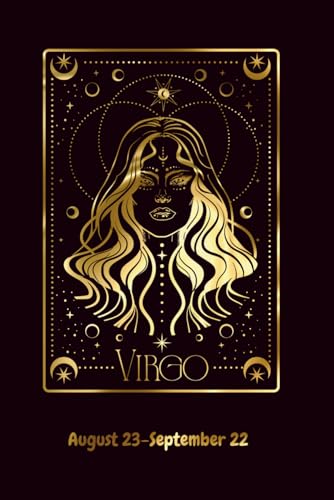
Virgo is the sixth sign of the Western zodiac, running from August 23 to September 22, a stretch that carries the calendar from the tail end of summer harvest into the first cool nights approaching fall (Farmers’ Almanac). It is an earth sign, sharing that element with Taurus and Capricorn, and its modality is mutable, a quality it holds along with Sagittarius and Pisces, which astrologers connect to adaptability and a willingness to adjust to circumstances (Katie Ellen Hazeldine). Virgo is considered a feminine, or “yin,” sign, and its constellation is the largest in the entire zodiac, second in size only to Hydra among all eighty-eight recognized constellations (Grokipedia; Greeker than the Greeks).
Why Is It Called Virgo?
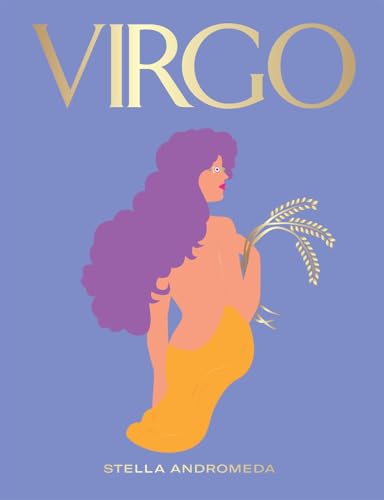
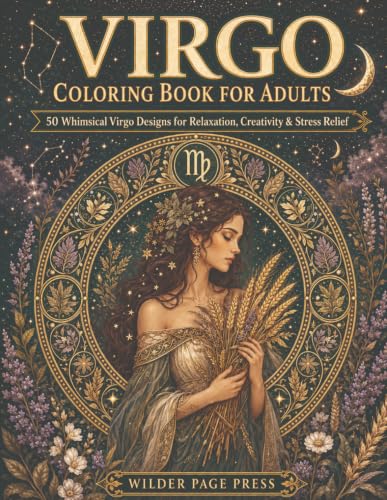
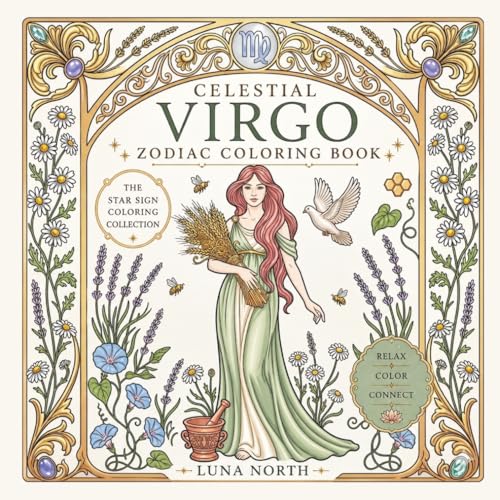
Virgo is Latin for “virgin” or “maiden,” and the name reflects how the constellation has almost always been pictured: as a young woman, often shown holding a sheaf of wheat in one hand (Greek Mythology). Unlike many zodiac constellations that require imagination to see their namesake, Virgo is one of the few star patterns that genuinely resembles the figure it is named for (Greek Mythology). Its brightest star, Spica, means “ear of grain” in Latin, a name that ties directly to the sign’s long association with agriculture and the harvest season (History & Myth of Virgo). The constellation itself is very old, appearing in Babylonian astronomy as far back as roughly 1000 to 700 BC, where it was known as “The Furrow” and linked to Shala, a goddess associated with grain (History & Myth of Virgo).
The Myth Behind Virgo
Virgo does not have a single agreed-upon origin story; instead, several mythic women have been layered onto the same constellation over time. The most commonly cited figure is Astraea, whose name means “star maiden” and who was the daughter of the Titans Astraeus, god of dusk, and Eos, goddess of dawn (Jessica Davidson). According to the myth, Astraea was the goddess of innocence and justice and the very last immortal to leave the earth at the close of the Golden Age, driven away by growing human wickedness and corruption (Jessica Davidson; Thalira). Her ascent into the heavens became the constellation Virgo, and legend holds that she will return to earth only when the Golden Age comes again (Greek Mythology). Because Astraea is also linked to the neighboring constellation Libra, some versions of the myth describe her carrying the scales of justice alongside her sheaf of wheat, weighing the rights and wrongs of human disputes before she departed (Greeker than the Greeks).
A second major thread ties Virgo to Demeter, the Greek goddess of the harvest, and her daughter Persephone, whose abduction into the underworld and eventual return is often read as a parallel to Virgo’s themes of careful cultivation, loss, and renewal (Greeker than the Greeks; Thalira). The Roman writer Manilius likewise connected the sign’s sheaf of wheat directly to Ceres, the Roman goddess of agriculture, reinforcing the same harvest symbolism from a Roman perspective (Katie Ellen Hazeldine).
Ruling Planet: Mercury
Virgo is ruled by Mercury, the same planet that governs Gemini, and Mercury is additionally considered to be “exalted” in Virgo, meaning it is thought to function especially well when placed there (Farmers’ Almanac; Jessica Davidson). Some modern astrologers have proposed alternative or co-ruling influences for Virgo, including the healer-planet Chiron or Ceres, the harvest goddess, though traditional astrology continues to treat Mercury as the sign’s primary ruler (Jessica Davidson; Grokipedia).
What “Power” Virgo Gets From Mercury
Because Mercury governs communication, analysis, and the intellect, popular astrology credits Virgo with a distinctive set of mental strengths. Traits commonly attributed to this influence include:
- Sharp analytical thinking — Mercury’s rulership is said to give Virgo a quick, precise mind and a natural eye for detail that others tend to overlook (Farmers’ Almanac; Indie and Harper).
- Practicality and love of order — combined with Virgo’s earth element, Mercury’s influence is described as producing a strong drive to organize, systematize, and bring structure to chaos (Farmers’ Almanac; Thalira).
- Clear, effective communication — Mercury is traditionally tied to travel, trade, and all forms of communication, which astrologers link to Virgo’s reputation for expressing ideas clearly and efficiently (Katie Ellen Hazeldine).
- A drive toward service and healing — Virgo’s harvest-goddess roots are said to translate into a modern focus on health, routine, and helping others, themes traditionally associated with the sign’s sixth house of health and daily habits (Katie Ellen Hazeldine).
- Perfectionism and self-criticism — the same attention to detail that makes Virgo meticulous is also said to have a harder edge, showing up as overcritical tendencies toward both oneself and others (Grokipedia).
As with any sun-sign description, these traits reflect a long-standing folk and symbolic tradition rather than a scientifically validated one; there is no controlled evidence that a birthday’s position in the zodiac shapes personality (Farmers’ Almanac).
How Virgo Differs From Other Signs
Because Virgo shares Mercury with Gemini, the two signs are frequently compared, but astrologers generally describe the difference as one of expression: Gemini channels Mercury outward into curiosity, variety, and rapid-fire conversation, while Virgo channels the same planet inward into refinement, precision, and the careful correction of detail (Thalira). Among the earth signs, Virgo is set apart from Taurus and Capricorn by its mutable modality, which is said to make Virgo more adaptable and process-oriented than the fixed determination of Taurus or the disciplined ambition of Capricorn (Katie Ellen Hazeldine). Virgo is also often paired with its opposite sign, Pisces, which is ruled by Jupiter and Neptune; where Virgo is grounded in analysis, order, and the physical world, Pisces is associated with imagination, intuition, and dissolving boundaries, making the two signs a study in contrasts (Jessica Davidson). Finally, Virgo’s Astraea myth is often set against the myth behind neighboring Libra: both figures are linked to justice, but Astraea is said to represent natural or divine law and the balance of the seasons, while Libra’s justice is framed in more human, social terms (Jessica Davidson; Greeker than the Greeks).


Works Cited
“The History & Myth of Virgo.” ZodiacSign.com, www.zodiacsign.com/history/virgo/.
“Virgo.” GreekMythology.com, 23 Feb. 2024, www.greekmythology.com/Myths/Zodiac/Virgo/virgo.html.
“Virgo (astrology).” Grokipedia, 17 Apr. 2026, grokipedia.com/page/Virgo_(astrology).
“Virgo Constellation & Zodiac Traits: Jewellery Gift Guide.” Indie and Harper, 20 Aug. 2025, www.indieandharper.com/blogs/indie-and-harper-blog/zodiac-constellations-focus-on-virgo.
“Virgo season 2024.” Katie Ellen Hazeldine, katieellenhazeldine.substack.com/p/virgo-season-2024.
“Virgo – The Greek Myth Behind the Zodiac Sign.” Greeker than the Greeks, 29 Oct. 2025, greekerthanthegreeks.com/the-ancient-greek-myth-which-portrays-the-zodiac-sign-of-virgo/.
“Virgo Zodiac Sign: Dates, Symbol, Constellation, and Myth.” Farmers’ Almanac, www.farmersalmanac.com/virgo-zodiac-sign.
“Virgo Zodiac Sign: Traits, Symbol, Dates, and Meaning.” Thalira, 5 Apr. 2026, thalira.com/blogs/quantum-codex/virgo-zodiac-sign-guide.
“Zodiac Myths: The Story Behind Virgo.” Jessica Davidson, 5 July 2025, jessicadavidson.co.uk/2018/08/20/the-mythology-of-the-zodiac-virgo-myths/.